
The NBA has a unique ability to sell hope, and the draft lottery is the perfect example. In just a few minutes, a team’s fortunes can shift dramatically—turning a poor season into a promising one, or vice versa. That’s why teams with long losing streaks experience the lottery more intensely than others. In 2026, the tension felt heavier than usual, as many franchises had run out of patience.
Here is the final order for the 2026 NBA Draft Lottery:
1. Washington Wizards
2. Utah Jazz
3. Memphis Grizzlies
4. Chicago Bulls
5. LA Clippers (via Indiana Pacers)
6. Brooklyn Nets
7. Sacramento Kings
8. Atlanta Hawks (via New Orleans Pelicans)
9. Dallas Mavericks
10. Milwaukee Bucks
11. Golden State Warriors
12. Oklahoma City Thunder (via LA Clippers)
13. Miami Heat
14. Charlotte Hornets
It’s easy to see who benefited the most: the Washington Wizards. Securing the No. 1 pick is less about the top spot itself and more about how long a team has been stuck in mediocrity. Over three seasons, the Wizards averaged just over 15 wins per year, yet they still haven’t found a future star. Alex Sarr remains a prospect rather than a franchise cornerstore, and later picks like Tre Johnson haven’t changed the team’s trajectory. Now, Washington has a real chance—and no excuses for continued failure.
A.J. Debantsu is considered the leading candidate for the No. 1 overall pick, but not everyone in the league is convinced. Darrin Peterson looks like the most ready guard in the class, Cameron Boozer is a reliable forward among the top prospects, and Caleb Wilson impresses with his versatility. For the first time in a while, Washington isn’t choosing from a difficult bunch but from a range of team-building options. This becomes especially clear after recent trades involving Trae Young and Anthony Davis—what once seemed like a rushed rebuild now appears calculated, as the Wizards clearly don’t want to wait another three years for a lottery.
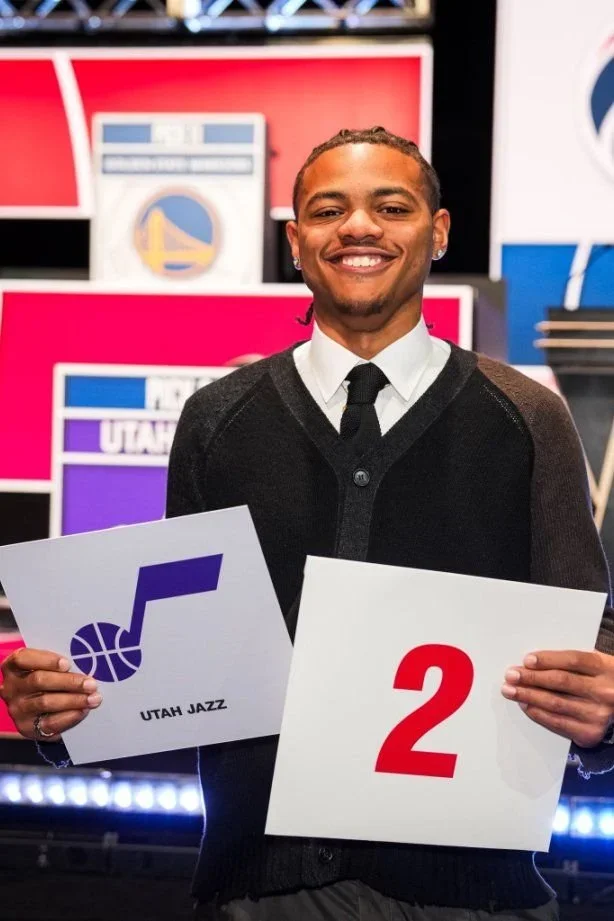
The lottery was very favorable for the Utah Jazz, who moved up from fourth to second overall. The difference between these two positions will significantly impact the team’s development. Utah is no longer just collecting young talent. The trade of Jaren Jackson Jr. signaled management’s desire to compete now. With a roster full of promising players like Lauri Markkanen, Keyonte George, Ace Bailey, and Walker Kessler, adding another elite rookie creates an excellent balance between youth and quality. This allows the Jazz to think not only about the future but also about making the playoffs—or at least the play-in tournament.
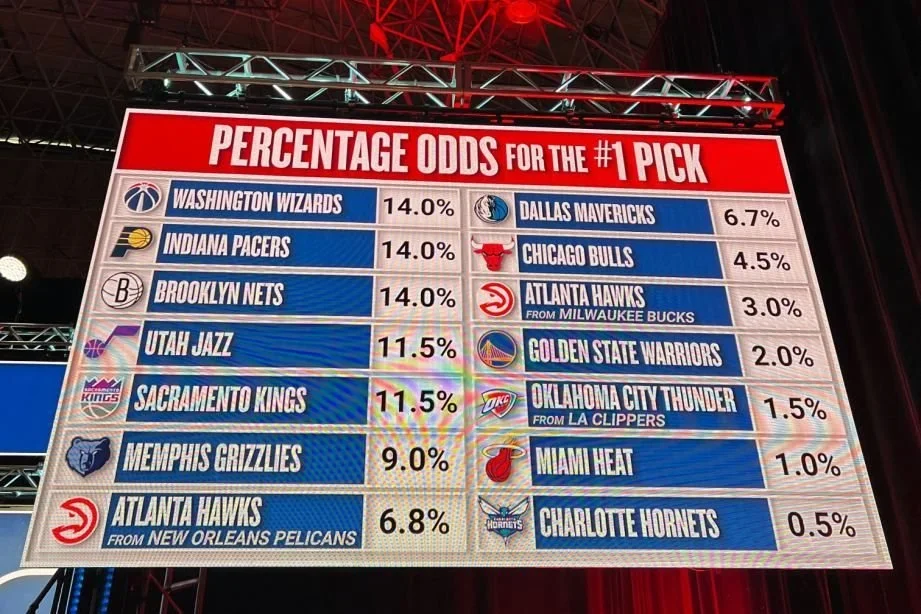
Interestingly, both Washington and Utah could have lost their draft picks entirely, but their front offices had planned ahead. Both teams had traded their 2026 picks earlier, but with a condition: they would retain them if they landed in the top eight. In the end, cautious management paid off more than any luck. Meanwhile, the Indiana Pacers ended up in the most painful situation. After a losing season with over a 50% chance of keeping their pick, they got nothing—the pick went to the LA Clippers. It’s the worst possible outcome, and every conversation about Indiana’s future will now include the Ivica Zubac trade. So the Pacers not only lost their season but also missed a great chance to improve through the draft. The team even apologized to fans after this lottery result.
For the LA Clippers, everything worked out nearly perfectly. Here’s why: their experienced core now has a chance to add a dynamic young player to the rotation—without needing a full rebuild. The fifth pick in this draft is especially valuable, as there are plenty of intriguing prospects beyond the top favorites mentioned earlier.
Memphis and Chicago also have reason to be thrilled. After all the scandals and injuries related to Ja Morant, the Grizzlies can now stabilize by landing a top-three pick and potentially selecting a draft star. The Bulls jumped from ninth to fourth—a surprising move for a team that lacked a clear plan. Now Chicago has a significant opportunity to reshape their future.